
Smart Operations
Why a Command Center Matters for Centralized Facility Operations
Facilities generate more operational information than any one team can watch. A command center is where that information is brought together so it can be acted on.
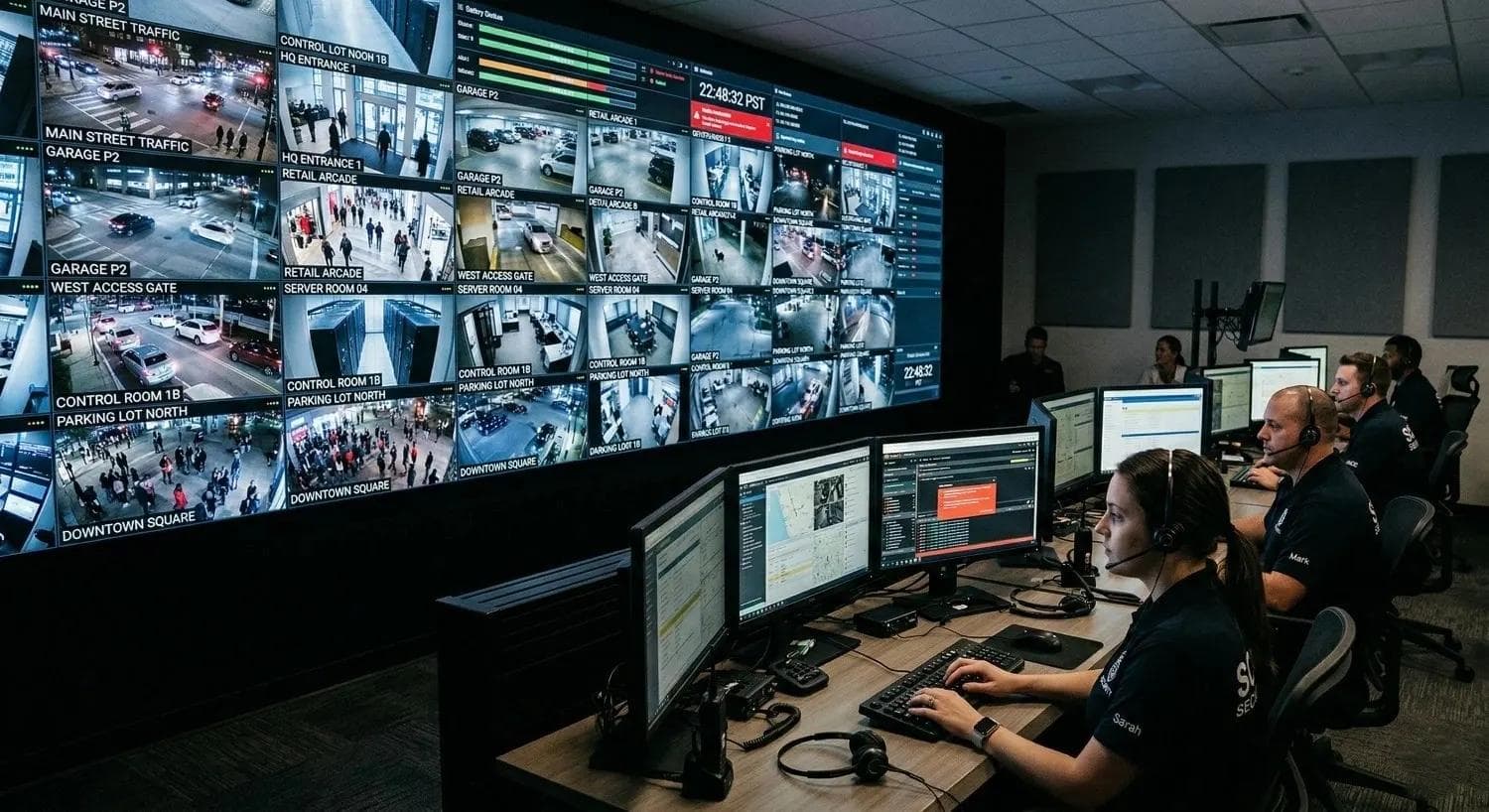
A command center environment for centralized operational visibility.
On This Page
Security systems raise alarms. Building systems report status. Safety systems detect conditions. Communications carry messages. Each produces information continuously, and each does so on its own terms.
A command center is the environment where that information converges. This article covers what a command center is, what comes together inside it, and how information becomes a coordinated response.
What Is a Command Center?
A command center is a centralized environment for monitoring operational information, coordinating events, and supporting faster situational awareness. It is a place — a room with people in it — and a system that brings information to that room.
The purpose is coordination. Information from many sources arrives in one view so that the people responsible are working from the same picture.
Why Centralized Visibility Matters
Without a central point, each system is monitored by whoever is nearest to it. Individually this works. Collectively it means an event visible in two systems appears as two unrelated observations, noticed at different times by different people.
What Information Can Come Together Inside a Command Center?
- Security
- Security systems across the facility.
- Safety
- Safety systems and the conditions they detect.
- Building Systems
- The systems that keep the building operating.
- Communications
- The channels used to reach people on site.
- Alarms
- Alarm conditions raised by connected systems.
- Operations
- Operational information from day-to-day activity.
From Event Detection to Coordinated Response
- 01Event
- 02Alert
- 03Prioritization
- 04Verification
- 05Coordination
- 06Response
Conceptual operational journey. Not an official technical workflow.
The sections below follow the capabilities that support each part of this sequence.
Real-Time Alerts
Events are surfaced as they occur rather than discovered afterwards. This is the difference between an operator noticing something and being told about it.
Event Prioritization
Not every alert carries the same weight. Prioritization orders events so that the most significant are handled first, rather than in the order they happened to arrive.
Video Verification
An alert states that a condition was detected. Video verification is how an operator confirms what that condition actually represents before acting on it.
Interactive Maps and Dashboards
An event placed on a map of the site is easier to reason about than an event described in a list. Dashboards perform the same function for operational information more generally: they give it a readable shape.
Incident Workflows
Incidents are handled through a defined sequence of steps rather than improvised each time. This keeps response consistent across operators and across shifts.
Historical Reporting
Past events remain available for review and reporting. That supports both individual investigation and a longer view of what the facility experiences over time.
How Command Centers Support Operational Coordination
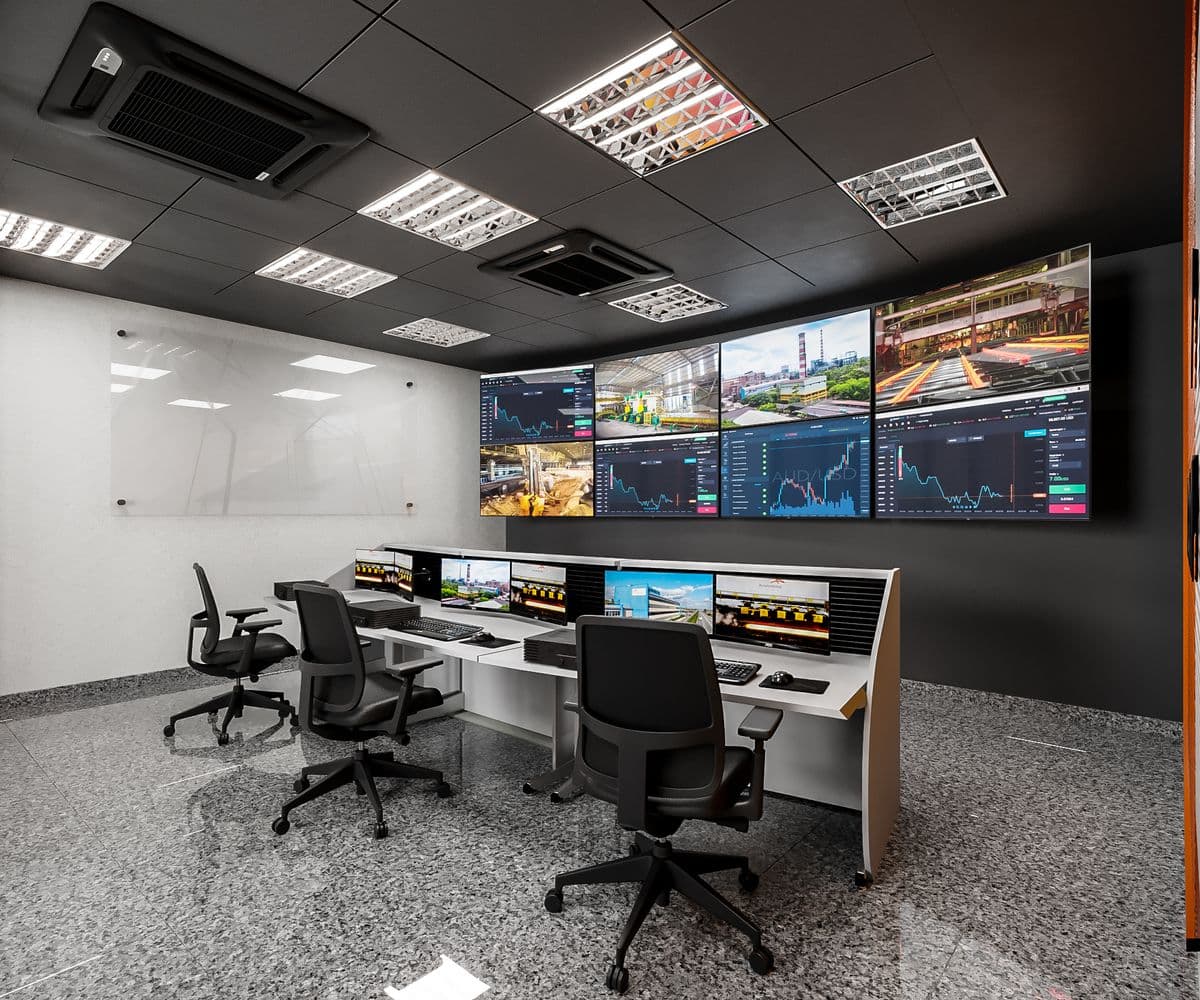
Coordination is the outcome the rest supports. When alerting, prioritization, verification, and workflow all operate in the same environment, the people responsible are not just informed — they are informed of the same thing, at the same time, in the same order.
Conclusion
A command center does not generate operational information. Facilities already do that continuously. What it provides is the environment where that information becomes usable: seen together, ordered by significance, verified before action, and coordinated through a defined response.